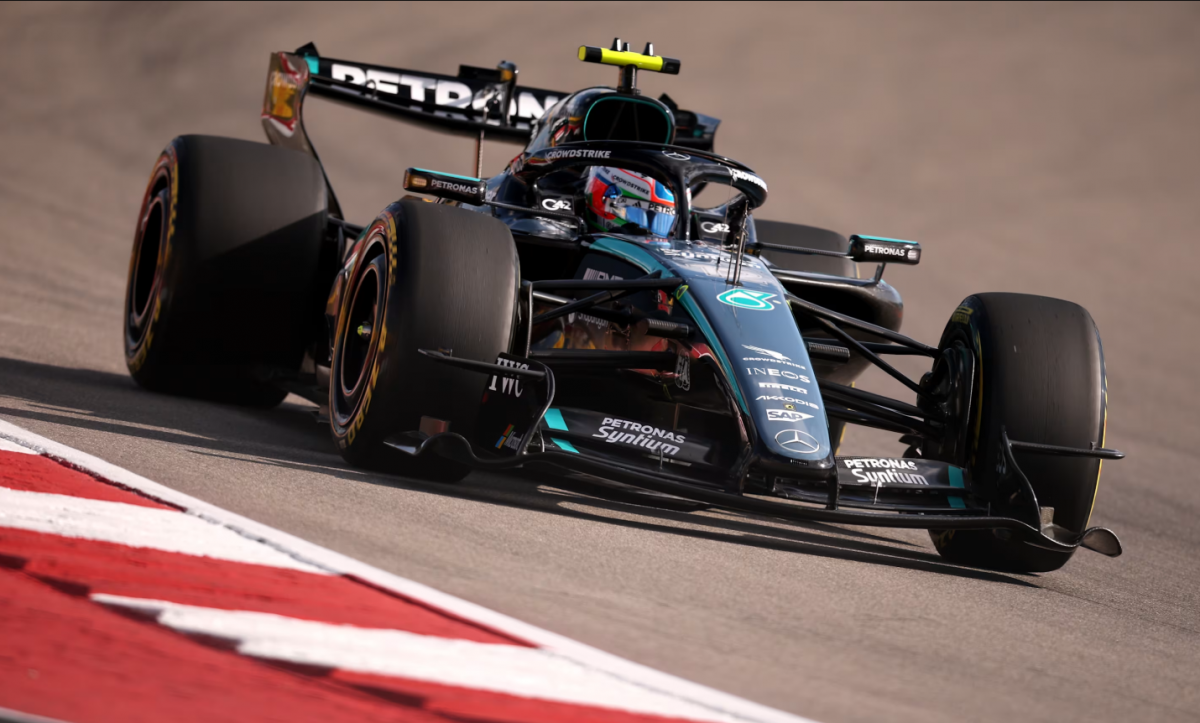
Formula 1 qualifying determines the starting order for a Grand Prix, with drivers aiming to set the fastest possible lap rather than race over a fixed distance. On a standard F1 weekend, qualifying consists of three knockout sessions: Q1, Q2 and Q3. Six drivers are eliminated after each of the first two stages, leaving ten to compete for the top positions on the grid.
Even the fastest car can struggle in qualifying if the timing is wrong. Tyre temperature, traffic, track conditions and the timing of each run can all affect lap times. Teams must judge when to send their drivers out, whether another attempt is necessary and how best to use their available tyres.
What Is F1 Qualifying?
F1 qualifying is a timed competition used to establish the starting order for a Grand Prix. Each driver aims to record the fastest valid lap within the allotted session time. Unlike the race, completing more laps offers no direct advantage unless one of those attempts produces a better time.
A typical qualifying run involves an out-lap to leave the pits and prepare the tyres, a flying lap completed at maximum pace and an in-lap back to the garage. Drivers may attempt several flying laps, but only their quickest valid time counts towards their position in that segment.
Qualifying usually takes place on Saturday, after three free practice sessions, with the Grand Prix held on Sunday. Some events follow a different timetable, particularly Sprint weekends.
The qualifying classification provides the basis for the starting grid. Penalties, technical infringements or other regulatory decisions can subsequently change the order in which drivers line up for the race.
How Does F1 Qualifying Work?
The F1 qualifying format follows a knockout system. All eligible drivers can participate in Q1, the fastest 16 advance to Q2, and ten reach Q3. Each stage has a fixed time limit, during which drivers can return to the pits, change tyres and complete additional runs.
With a full 22-car field, the 2026 qualifying structure is:
| Session | Duration | Drivers | Outcome |
| Q1 | 18 minutes | 22 | Slowest 6 eliminated |
| Q2 | 15 minutes | 16 | Slowest 6 eliminated |
| Q3 | 13 minutes | 10 | Top ten qualifying positions decided |
The three F1 qualifying sessions progressively narrow the field. With 22 cars on the grid, six drop out in Q1 and another six in Q2, leaving ten to fight for pole. If fewer drivers participate, the applicable regulations determine how the elimination procedure is handled.
Q1 – First Elimination Session
Q1 gives all 22 drivers 18 minutes to set a competitive lap. With the full field participating, the six slowest are eliminated and provisionally occupy positions 17 to 22. The other 16 move into Q2.
Timing matters from the outset. Grip often improves as more rubber is laid down, but waiting for better track conditions can backfire. Traffic near the end of Q1, a yellow flag or an interrupted lap may leave a driver without another opportunity to improve.
An early competitive time provides some protection against these problems. Drivers near the elimination threshold may still need a second run, particularly when the midfield is separated by only a few tenths.
Q2 – Second Elimination Session
The remaining 16 drivers have 15 minutes to secure a place in Q3. Six are eliminated, taking provisional qualifying positions 11 to 16.
With fewer cars on track, finding clear space becomes easier, although the competition for the final Q3 places can be extremely close. A lock-up under braking or poor traction out of a corner may cost enough time to miss the cut.
Teams must decide whether another run is worth using a fresh set of soft tyres. That choice can improve a driver’s chances of reaching Q3, but it also affects the tyres available for the final session.
The former requirement for certain drivers to start the Grand Prix on the tyres used for their fastest Q2 lap no longer applies.
Q3 – The Battle for Pole Position
Q3 is the final 13-minute session, featuring the ten drivers who advanced from Q2. Their fastest valid laps establish the top ten positions in the qualifying classification.
Teams commonly plan two competitive runs, with drivers returning to the garage between attempts for fresh tyres or minor adjustments. The final runs often come in the closing minutes, when track grip may be at its best.
The fastest driver in Q3 normally takes F1 pole position, although penalties can change the actual starting order. If a driver fails to record a valid Q3 lap, the rules provide criteria for determining their place among the remaining competitors.
How Is the F1 Starting Grid Determined?
Qualifying results form the basis of the Grand Prix starting grid. Under normal circumstances, Q3 drivers occupy the first ten qualifying positions, followed by those eliminated in Q2 and Q1. Drivers within each eliminated group are ranked according to their fastest valid laps.
Several circumstances can alter the final order:
- Grid penalties: Drivers may lose positions for certain sporting offences or component changes.
- Disqualifications: Technical or sporting infringements can result in exclusion from qualifying results. Permission to participate in the race is a separate matter.
- Missing lap times: Drivers without a valid time are ordered according to the relevant classification provisions, which depend on the circumstances.
- Pit-lane starts: Certain changes made under parc fermé restrictions, or other regulatory breaches, may require a driver to start from the pit lane.
If two drivers set identical lap times, the one who recorded the time first takes precedence.
A driver who finishes qualifying fastest may therefore start behind another competitor after penalties are applied. The official starting grid, rather than the qualifying classification alone, establishes where each car is scheduled to begin the Grand Prix.
F1 Qualifying Rules and Penalties
Formula 1’s sporting regulations govern lap validity, driver conduct, session interruptions and the penalties that may follow an infringement.
Track limits are a frequent cause of deleted lap times. The white lines define the edge of the circuit, and kerbs are not considered part of the track for this purpose. A driver who leaves the track without meeting the permitted exceptions can lose the lap time concerned.
Impeding is another common issue. Drivers on out-laps or preparation laps must avoid unnecessarily obstructing competitors completing flying laps. Stewards assess incidents individually and can impose penalties where appropriate.
Yellow flags require drivers to reduce speed and respond to the danger ahead. A red flag suspends qualifying, usually because of an accident, debris or unsafe track conditions. An interruption late in a session can prevent drivers from completing another timed attempt.
The 107% rule also applies to Q1 under the conditions specified in the regulations. A driver whose best lap exceeds 107% of the fastest Q1 time may need permission from the stewards to race. Exceptions can apply, including when the session is declared wet, and previous practice performance may be considered when deciding whether a driver can start.
F1 Sprint Qualifying vs Regular Qualifying
Sprint weekends follow a different schedule. Instead of three practice sessions, they feature one practice session, Sprint Qualifying, the Sprint race, regular Grand Prix qualifying and the Grand Prix.
Sprint Qualifying establishes the starting order for the shorter Sprint race. It uses three knockout stages, SQ1, SQ2 and SQ3, but allows less time for drivers to complete their laps.
| Feature | Grand Prix Qualifying | Sprint Qualifying |
| Stages | Q1, Q2, Q3 | SQ1, SQ2, SQ3 |
| Duration | 18, 15, 13 minutes | 12, 10, 8 minutes |
| Purpose | Determines Grand Prix qualifying order | Determines Sprint starting order |
| Tyre rules | Generally flexible compound choice in dry conditions | Medium tyres in SQ1/SQ2, soft tyres in SQ3 under dry conditions |
| Final stage | 10 drivers | 10 drivers |
The shorter sessions leave little margin for mistakes or disrupted laps. Mandatory dry-weather tyre compounds also affect preparation and strategy, particularly when teams have limited opportunities to bring the tyres into their ideal temperature range.
How Tyres, Weather and Track Conditions Affect Qualifying
Tyre performance is central to qualifying pace. Soft compounds generally provide the strongest grip over a single lap in dry conditions, but they can overheat if pushed too hard. Drivers use their preparation laps to bring both tyres and brakes into the appropriate operating temperature range.
Circuit conditions can change throughout the session. As rubber builds up on the racing line, grip may improve and lap times fall. However, a track can also become slower if temperatures change or dust and debris accumulate.
Rain introduces a different challenge. Intermediate tyres are designed for wet conditions without excessive standing water, while full wet tyres are intended for heavier rain. As the circuit dries, switching to slick tyres at the right moment can produce a substantial improvement.
Traffic is particularly troublesome on shorter circuits. A slower car can disrupt a flying lap, while following another driver too closely through corners may reduce aerodynamic grip. Finding a clear section of track is often as important as choosing the right tyres.
Qualifying Strategies Used by F1 Teams
Teams need to find the right balance between pushing for lap time and making sure their drivers survive each session. The number of attempts, tyre availability and changing circuit conditions all influence how they approach qualifying.
A common tactic is to set an early banker lap, giving the driver a valid time before attempting a faster lap later. This reduces the risk of finishing a session without a representative result if the final attempt is disrupted.
Tyre allocation also influences decisions. A team may use an extra set of soft tyres to protect its place in Q2 or Q3, but doing so can leave fewer fresh sets for subsequent runs. On circuits where tyre preparation is difficult, the number of warm-up laps can matter as much as the compound itself.
Engineers monitor traffic and calculate when to release their drivers from the garage. On tracks with long straights, a well-timed slipstream can improve straight-line speed, although following too closely through corners may cancel out that advantage.
When several drivers are separated by hundredths of a second, even a small misjudgement can cost multiple grid positions. Even a front-running car can end up out of position if its driver encounters traffic or misses the ideal tyre window.
FAQ
How long does F1 qualifying last?
Standard F1 qualifying time is divided into 18 minutes for Q1, 15 minutes for Q2 and 13 minutes for Q3. Including scheduled breaks, the complete session normally takes approximately one hour. Red flags and other interruptions can extend it.
What happens if a driver crashes during qualifying?
A driver who crashes may retain a qualifying position based on valid laps completed before the incident. If the car cannot be repaired in time, they cannot continue participating. Repairs, component changes or penalties may also affect their eventual starting position.
Can an F1 driver qualify without setting a lap time?
A driver without a valid qualifying time may still be allowed to race, depending on the circumstances and the stewards’ decision. Previous practice results can be relevant to eligibility, while the applicable regulations determine how drivers without times are ordered.
Does pole position guarantee first place on the starting grid?
Not necessarily. Grid penalties, disqualifications or other regulatory decisions can change the starting order after qualifying. The official grid determines where each driver is scheduled to start.
How many qualifying laps can an F1 driver complete?
There is no fixed number of laps. Drivers can complete multiple runs within each session’s time limit, depending on tyre availability, fuel load and track conditions. Only their fastest valid lap in the relevant segment counts towards their classification.
Do F1 qualifying results award championship points?
No. Standard Grand Prix qualifying does not award championship points. Points are available in the Sprint race for eligible finishing positions, but Sprint Qualifying itself does not award any.