Categories
Blog

Drift Cars: Best Types, Features and Setup Basics

Drift cars are built or modified to maintain controlled oversteer through corners. Unlike conventional performance driving, where maximizing traction is usually the goal, drifting requires the driver to deliberately break rear-wheel grip and control the slide using steering, throttle input, and weight transfer. A well-prepared car responds predictably, making it easier to maintain drift angle and link corners.

Categories
Blog

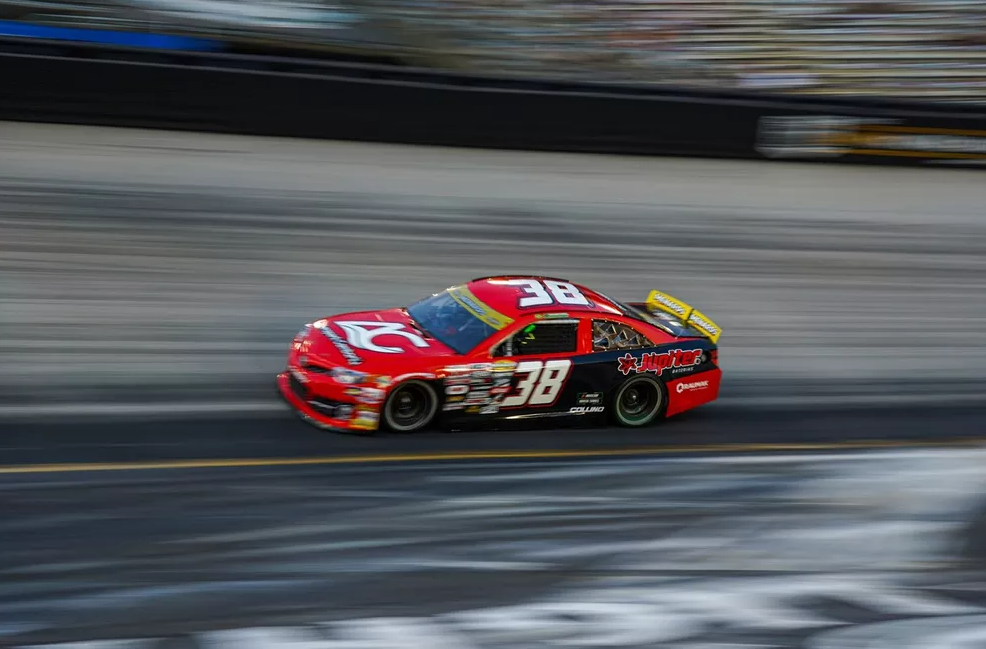
NASCAR Qualifying: Rules, Formats and Starting Positions

NASCAR qualifying determines where drivers line up for a race, but the procedure changes depending on the track. Most Cup Series ovals use single-car time trials, short tracks typically allow two timed laps, and road courses have group sessions. Daytona, Talladega, and Atlanta use two-round qualifying, while the Daytona 500 adds a pair of qualifying races known as the Duels.

Categories
Blog

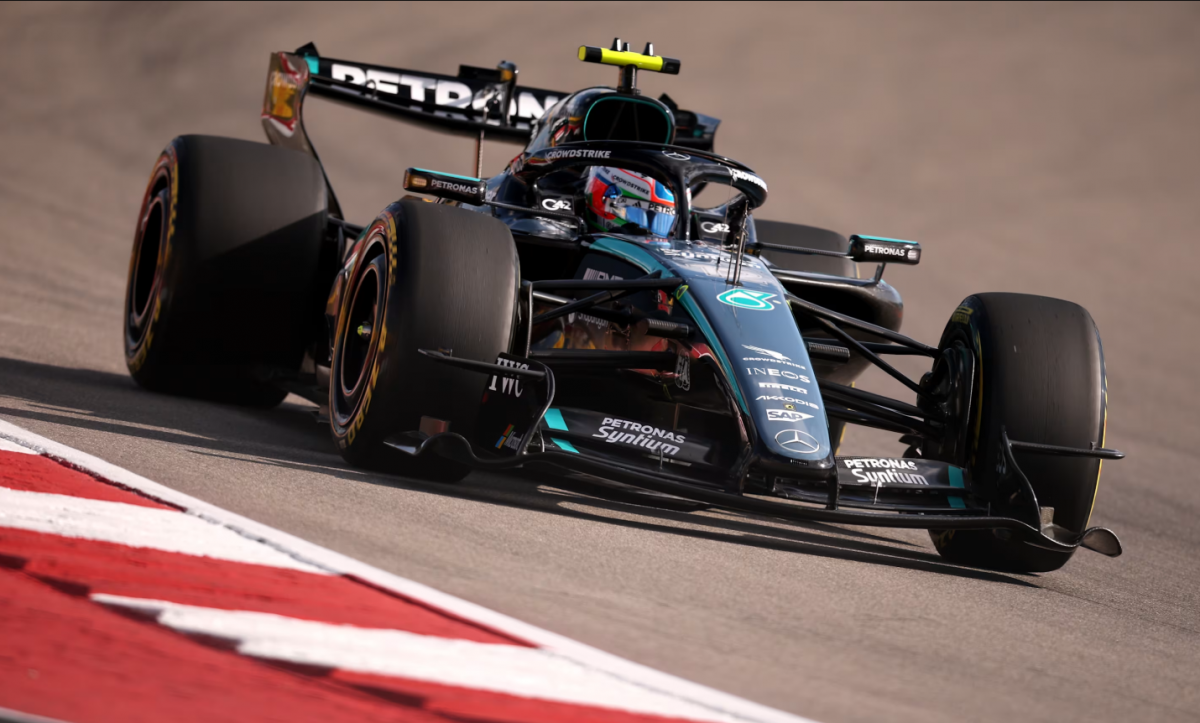
F1 Qualifying: Format, Rules and How It Works

Formula 1 qualifying determines the starting order for a Grand Prix, with drivers aiming to set the fastest possible lap rather than race over a fixed distance. On a standard F1 weekend, qualifying consists of three knockout sessions: Q1, Q2 and Q3. Six drivers are eliminated after each of the first two stages, leaving ten to compete for the top positions on the grid.

Categories
Blog

Performance and Precision

In both sports and automotive repair, success comes down to preparation, execution, and the right tools. Just as athletes and fans track performance through modern platforms like the bovada app, we track every detail of your vehicle’s repair process with precision technology and a results-driven mindset. The parallels are clear: whether it’s a game on the court or a repair in the shop, outcomes improve when you combine skill with the latest innovations.

Categories
Blog

A Complete Approach to Collision Repair

When it comes to collision repair, today’s drivers expect more than just getting their vehicle back on the road — they want assurance that every step of the process is handled with precision, speed, and care. At Dave’s Autobody, we understand that an accident can be disruptive, which is why we have developed a comprehensive approach that addresses every detail of repair and restoration. From the first inspection to the final handover, our goal is to provide a seamless experience that restores both your car and your peace of mind.

Categories
Blog

Rapid Processing Technology™ (RPT)

When your vehicle has been in an accident, one of your top concerns is likely how quickly you can get it back on the road — without compromising on quality. That’s where Rapid Processing Technology™ (RPT) comes in. Developed by Bemack Planning Services, RPT is a revolutionary concept that redefines the traditional repair timeline by implementing simultaneous repair processes rather than following a linear approach.

Categories
Blog

The Latest in Technology

At Dave’s Autobody, we believe that quality collision repair begins with the right tools. That’s why we invest heavily in the latest technology to ensure every repair is accurate, efficient, and completed to the highest industry standards. Our advanced equipment allows us to restore your vehicle to pre-accident condition — both structurally and cosmetically — with precision and care.

Categories
Blog

Detail for Life

If Dave’s Autobody repairs your collision of $2,000 or greater on a standard passenger vehicle, we will detail your vehicle for as long as your own it – 4 times a year – winter (Dec., Jan, Feb.), spring (Mar., Apr, May.), summer (Jun., Jul, Aug.), and fall (Sep., Oct, Nov.). A Detail For Life may also be purchased for a new car for $1200.00.